

A few months ago, a woman showed up at Nellie’s late in the evening seeking shelter for herself and her newborn. She had been abused and her baby was only a few days old.
Unfortunately, all of our beds were full. “But how could we turn them away?,” shelter manager Maureen Caines-Comrie shares. “So we set up a space for them in the corner of the living room, fed them, and kept them safe while we called other shelters. She ended up staying in our living room for a day and a half, until we could find a proper bed for her [at another shelter].”
While turning our living room into an emergency space is a last resort, the overwhelming divide between the demand for shelter spaces and actual availability is an issue we struggle with every day. Maureen’s office is next to the reception area, and she frequently overhears callers being told we have no available beds.
“At least six times per day, if not more, I hear them have to say this,” explains Maureen. Rising rates of gender-based violence across Canada means the demand for our services continues to outpace our capacity.
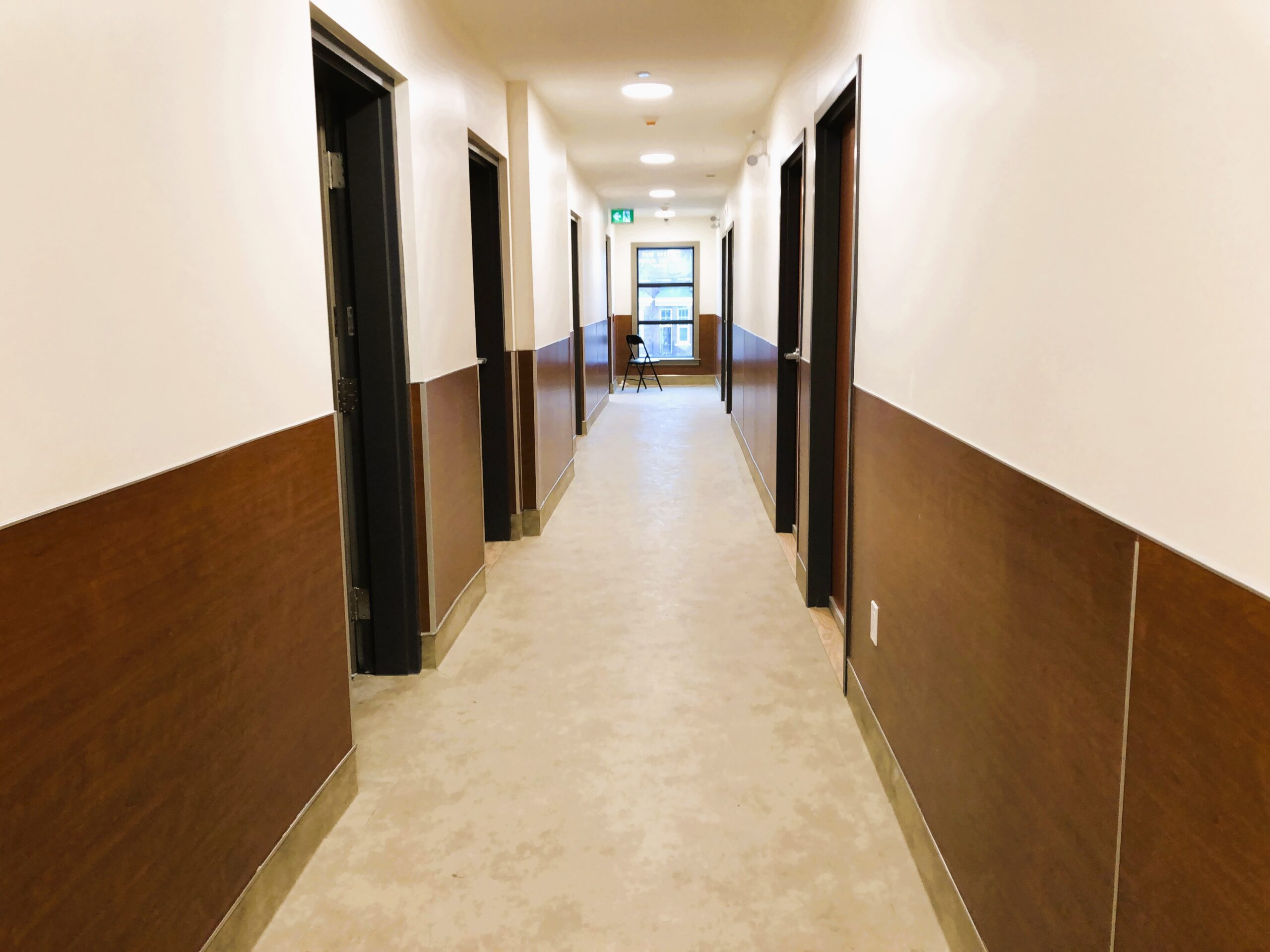
In an effort to meet this growing need, earlier this year we added six new beds to the shelter, thanks to a funding partnership with the Ministry of Children, Community and Social Services (MCCSS), bringing the total number to 44. By increasing our total number of beds, we’re able to comfortably provide a safe space for more women and their children to stay — and because Nellie’s is so much more than just a bed, we’re empowering them through our supportive services, from counselling and housing support, to our children’s programming and educational workshops.
But because of the lack of affordable housing in the city, the average length of stay for women and their children has been steadily increasing, making it even more crucial that we use that time to focus on how we can best support and prepare them.
“Safety and shelter is only the first step,” says executive director Ingrid Graham. “With our expanded capacity, we can house more women and their children in urgent need, and what comes next is equipping them with the confidence, tools, and support to make decisions for themselves and navigate complex housing and legal systems. This strengthens their long-term stability and reduces the chances they’ll return to unsafe situations.”